What is Employee Time Tracking Software, and Why is it Important for Your Business in 2026?

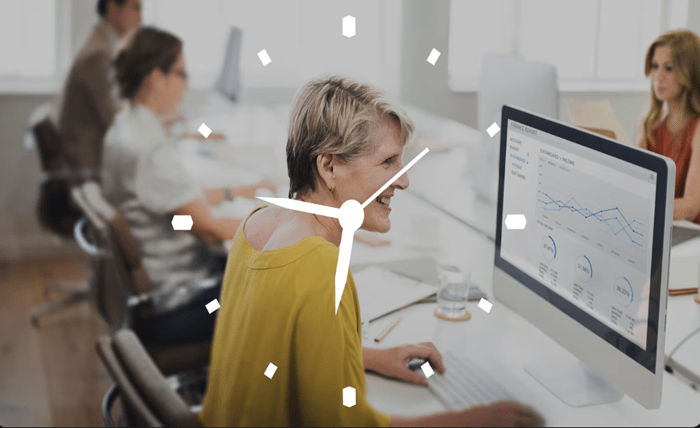
With remote workers scattered throughout the world, significant use of hybrid setups, and AI quietly optimizing workflows, tracking time in 2026 is more important than ever. Tracking employee time and attendance has also become more important than ever and is no longer the basic time-logging software of the past. Time tracking software for employees has become a productivity tool that provides and retains valuable insight for an employer. Time tracking software provides productivity insights without having an employee feel as though they are being monitored.
As for time tracking software, Controlio is also one of the highest-rated employee accountability software options. Controlio is one of the few software that combines high-quality time tracking with sophisticated behavior and activity analysis. Controlio gives the user real time visibility of the employees’ tasks and activities while maintaining a high level of privacy. Controlio is still one of the most trusted options for time tracking software.
Now, let’s review the core features of Controlio software, the most important benefits to a business (using data from 2026), and what makes Controlio time tracking software a game changer.
What is Employee Time Tracking Software?
Time tracking software for employees is a type of software that tracks the time employees have spent on an activity, project, task, website, or application. The software is equipped to automatically log and track activities at work.
Automated logs, detailed reports, and real-time data help identify trends and areas for optimization.
In 2026, it’s much more advanced than just clocking in and out. Current versions have AI integrated for pattern recognition, smooth integrations, and monitoring (optional) for security. Many use DLP (data loss prevention) controls. The industry is booming. The industry was pegged at 24 billion in 2026, and now it’s set to increase to almost 150 billion by 2034 with a 25.66% CAGR (Fortune Business Insights). This is the result of hybrid work being constant, billable hours in professional services, and AI being used to derive the insights that helped turn data into foresight.
Today’s Workplaces’ Standout Features
Leading software providers have a highly practical blend of the two: automation & intelligence:
- Automated Logging—Capturing clock-ins, breaks, and total time automatically is now hassle-free.
- App & Web Monitoring—This gives a breakdown of usage by role with the ability to classify work as productive or distracting.
- Task & Project Assignment—correlating hours with specific work done helps provide a clear picture for billing, budgeting, and forecasting.
- Productivity Insights—Dashboards powered by AI that highlight idle time, bottlenecks, and a holistic view of productivity.
- Additional Features—Alerts for inactivity or screenshots for context (adjustable privacy settings).
- Integrations—Links to payroll, Asana, Slack, and other tools for seamless operations.
These features shift from pure tracking to actionable intelligence that enables smarter decision-making.
Key Benefits That Provide Genuine Impact in 2026
These advantages come from strong trends and stats—this is what sets high performers apart:
- Productivity Boost
Increased visibility raises focus and reduces distractions. AI-driven tools increase efficiency by 32%, and by addressing leaky buckets, time drainers get eliminated. Some even report a 61% increase in revenue from optimized behaviors.
- Accurate Payroll & Billing
Automated systems save time and prevent billing errors, guaranteeing accurate record keeping, fair payment, and client invoicing. Disputes, administrative time, and negative ROI are all eliminated.
- Greater Remote/Hybrid Management
Invasive check-ins are eliminated, while real-time data transparency equips leaders to adjust flexibly while providing accountability.
- Improved Project Oversight
Proactively bridge time overruns by comparing time budgeted vs time used to refine estimates and adjust resources for greater profitability and on time deliverables.
- Shrinking Costs
Overtime surprises, manual processes, and time theft are reduced. Numerous organizations experience significant payback periods with savings on labor.
- Fair and Impartial Performance Metrics
Insights foster unbiased evaluations, covering surveys, gaps in participation, and recognition for heightened engagement and retention.
- Easier Compliance
Complying with labor, overtime, and auditing laws is made easier with robust event logs. This is especially important in regulated industries like healthcare and finance.
- Transparency D.
When employees understand and identify the data being captured, they know how it is being used to help reduce micromanagement concerns.
Navigating the Use of Privacy and Ethics
Looking ahead to the year 2026, privacy will still be a core issue for the future of the general public and will be centered around the European Union’s General Data Protection Regulation (GDPR), the California Consumer Privacy Act (CCPA), and employee demands. This is where the tools of the future will help to determine privacy and ethics and how they will be used to drive productivity and reduce the need for surveillance. This is how provider use, ethical use, and the responsible use of tools end up increasing employee trust and morale.
Industry-Specific Practical Uses
- Remote/Global Teams—Synchronizing time zones and measuring productivity hurdles.
- Agencies/Freelancers—Adjusting billing to accurate time spent on each project.
- IT/Development—Measuring sprint velocity and overall productivity.
- Customer Support—Evaluating time spent on ticket resolution.
- Field/Hybrid Roles—Mobile/GPS to enhance location accuracy.
Key Trends for 2026
- AI Solutions—Predicting problems and offering solutions.
- Automated Logging—Using advanced smart sensors for hands-free data collection.
- Innovations in Privacy—Focusing on user-consented and anonymized data.
- Cross-Platform Integration—Using DLP, HR, and security tools together.
- Hybrid Environment Features—Specialized tools for blended gathering settings.
With all of these enhancements, time tracking systems are becoming valuable tools for advanced growth strategies.
Selecting the Right Time Tracking System
When choosing a new time tracking tool, look for easy-to-use, scalable platforms that have a lot of advanced features and strong security. Read user comments on Capterra or G2, conduct a small-scale trial, provide user training, and use the results to determine how to scale up usage.
Closing Thoughts for 2026
The time tracking systems of the future have become the partner of choice for all things clarity, efficiency, and fairness in real time hybrid workflows.
It enables data-driven decisions, backs your employees, and prepares your company for success during fast-paced change.
Explore advanced solutions such as Controlio for actionable and constructive accountability, and discover how better insights lead to increased performance and satisfaction for your employees. Here’s to a productive, transparent, and successful 2026!